Share This Article
India’s soul speaks softly beyond the bustle of its cities—through hidden valleys echoing with tribal songs, secluded beaches shimmering under starlit skies, and ancient ruins that whisper long-forgotten tales.
These 10 hidden gems for 2025 invite you to step off the tourist trail and into landscapes where culture and nature intertwine, offering a journey that’s not just seen, but deeply felt.
10 Hidden Gem Destinations in India
Discover India’s secret treasures, where every step kindles wonder.
1. Gokarna, Karnataka – Sacred Sands & Serene Shores
Tucked away from Goa’s crowds, Gokarna unfolds like a quiet prayer. Its crescent-shaped beaches—Om, Kudle, and Half Moon—gently embrace the turquoise Arabian Sea, each wave whispering calm.
Wander through coastal trails where salt-kissed breezes blend with the aroma of local chai, and let the world slow down around you. At the heart of town, the Mahabaleshwar Temple glows at dawn, its ancient carvings echoing devotion to Lord Shiva.
-
Best time to visit: November–March
-
Beach Tour: ₹1,500 / $15 for 2 hours
-
Daily budget: ₹500–₹2,000 ($6–$24)
-
Photo Tip: Capture the elegant curve of Om Beach at sunset—it’s iconic.

2. Ziro Valley, Arunachal Pradesh – Where Earth Sings in Green and Gold
Nestled in the emerald folds of Arunachal Pradesh, Ziro Valley is a living canvas of tribal life and untouched nature. Here, the Apatani people tend to their rice paddies and bamboo groves with wisdom passed down for generations.
Pine-scented winds carry the rhythm of local festivals, while mud-and-thatch homes sleep under a galaxy of stars. This UNESCO Tentative Site hums with raw, primal beauty that feels both ancient and alive.
-
Best time to visit: September–October (15–25°C)
-
Talley Valley Trek: A must for nature lovers
-
Permit required: ₹1,000 ($12, available online)
-
Daily budget: ₹1,000–₹3,000 ($12–$36)
-
Photo Tip: Capture the rice terraces framed by misty hills for a postcard-worthy shot.
3. Wayanad, Kerala – Where Spice and Spirit Flow
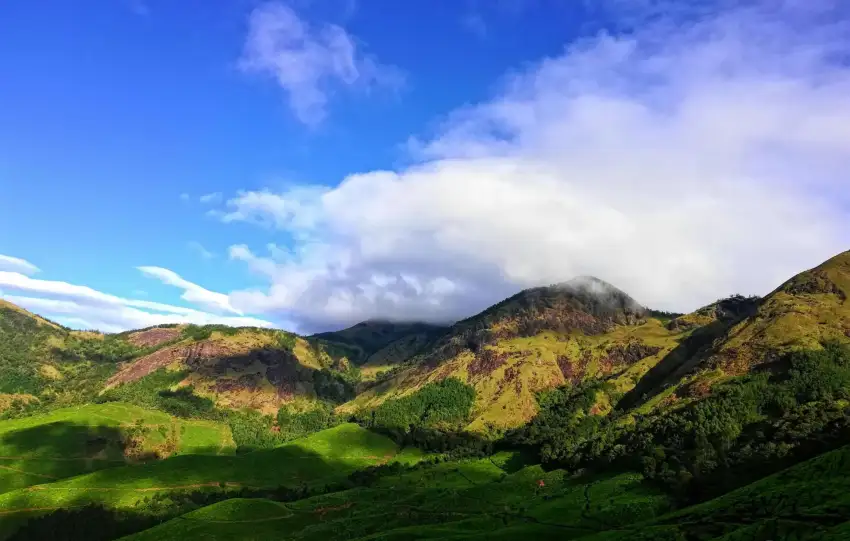
In the mist-laced hills of Kerala, Wayanad unfurls a lush world of spice gardens, cascading waterfalls, and age-old legends. The air carries the aroma of cardamom, pepper, and coffee, while elephants amble through forest sanctuaries.
Wander into the Edakkal Caves, where 8,000-year-old petroglyphs whisper stories from another age. Hike up to Chembra Peak, where a heart-shaped lake mirrors the sky and captures the soul.
-
Best time to visit: November–February
-
Wildlife Safari: ₹2,000 / $20 (2 hours) at Muthanga Sanctuary
-
Getting there: Buses from Kozhikode (80 km)
-
Daily budget: ₹800–₹2,500 ($9.60–$30)
-
Photo Tip: Catch Chembra Lake glowing in the dawn light.
4. Yousmarg, Jammu & Kashmir – Where Meadows Murmur and Mountains Listen
Tucked in the lap of the Pir Panjal range, Yousmarg is Kashmir’s best-kept secret—an expanse of alpine meadows where wildflowers bloom and the Doodh Ganga river sings through pine forests. Here, sunset paints peaks, and silence feels sacred.
Sunset Peak stands tall in the distance, watching over shepherds and wanderers alike. With no crowds in sight, the only stories you’ll hear are the wind’s and the herdsmen’s.
-
Best time to visit: May–September (10–20°C)
-
Getting there: Taxi from Srinagar (50 km, ₹1,500 / $18)
-
Daily budget: ₹1,500–₹3,500 ($18–$42)
-
Photo Tip: Frame the flower-filled meadows with snowy Pir Panjal peaks in the backdrop.
5. Chaukori, Uttarakhand – Where the Himalayas Whisper at Dawn
Nestled in Uttarakhand’s Kumaon region, Chaukori is a serene Himalayan hideaway, wrapped in tea gardens, fruit orchards, and forests of pine and rhododendron. Here, Nanda Devi rises like a blessing on the horizon, kissed by golden light at sunrise.
Every morning feels like a spiritual awakening.
-
Best time to visit: March–May for blossoming orchards and clear skies
-
Getting there: Taxi from Yog Nagari Rishikesh station (200 km, ₹5,000 / $60)
-
Daily budget: ₹1,000–₹3,000 ($12–$36)
-
Photo Tip: Shoot the tea gardens at sunrise, framed by distant snowy peaks.
6. Majuli, Assam – Where the River Sings in Sacred Stillness
Floating on the mighty Brahmaputra, Majuli is the world’s largest river island—a sanctuary of Vaishnavite culture, where ancient satras echo with rhythmic prayers, dance, and the soft beat of khol drums. The island breathes art, devotion, and peace.
Swaying reeds line the banks as migratory birds soar overhead, adding a brushstroke of wild freedom to Assam’s spiritual soul.
-
Best time to visit: October–March during festivals and cool weather
-
Getting there: Ferry from Jorhat (20 km, ₹100 / $1.20)
-
Daily budget: ₹800–₹2,500 ($9.60–$30)
-
Photo Tip: Capture monks dancing in reed-framed courtyards at golden hour.
7. Dholavira, Gujarat – Echoes from a Lost Civilization
Set in the white expanse of the Rann of Kutch, Dholavira unveils the brilliance of a 5,000-year-old Harappan city, where intricate stone reservoirs, ancient urban planning, and cryptic Indus seals speak of a civilisation far ahead of its time.
By night, the desert sky becomes a celestial dome, casting starlight across crumbling walls—a surreal meeting of archaeology and astronomy.
-
Best time to visit: November–February for cool desert evenings
-
Getting there: Bus from Bhuj (90 km, ₹300 / $3.60)
-
Daily budget: ₹1,000–₹3,000 ($12–$36)
-
Photo Tip: Shoot ancient reservoirs under starlit skies—timeless and haunting.
8. Tawang, Arunachal Pradesh – Where Clouds Carry Prayers
High in the Himalayas, Tawang floats among the clouds, where Buddhist monasteries whisper ancient chants and prayer flags ripple like sacred winds. At its heart stands Galden Namgyal Lhatse, the 17th-century Tawang Monastery, its golden roof gleaming like a guardian of peace.
Here, time slows. Snow-draped peaks cradle the town, and the air hums with introspection.
-
Best time to visit: April–October for clear skies and gentle trails
-
Permits required: ₹1,000 ($12), book online
-
Daily budget: ₹1,500–₹4,000 ($18–$48)
-
Photo Tip: Capture vibrant prayer flags fluttering against the snowy peaks.
9. Khajjiar, Himachal Pradesh – India’s Mini Switzerland
Nestled in the Dhauladhar ranges, Khajjiar is a postcard-perfect escape where cedar-lined meadows and a mirror-like lake reflect the majesty of the Himalayas. Often called India’s Mini Switzerland, this alpine meadow exudes peace and adventure in equal measure.
Wander through deodar forests, try paragliding over emerald valleys, or simply sit by the lake where time stands still.
-
Best time to visit: March–June for lush greenery and clear skies
-
Getting there: Taxis from Dalhousie (20 km, ₹800/$9.60)
-
Daily budget: ₹1,000–₹3,000 ($12–$36)
-
Photo Tip: Frame the lake’s glassy reflection at dawn for pure magic
10. Spiti Valley, Himachal Pradesh – India’s High-Altitude Moonland
At over 4,000 metres, Spiti Valley unfolds like a dreamscape—rugged cliffs, wind-carved canyons, and monasteries etched into silence. The iconic Key Gompa, perched on a craggy hill, glows under the cosmos as Buddhist chants drift on icy winds. Yaks wander past prayer flags, and time feels suspended.
-
Best time to visit: May–September for snow-free roads
-
Getting there: Jeeps from Manali (200 km, ₹8,000/$96)
-
Daily budget: ₹2,000–₹5,000 ($24–$60)
-
Photo Tip: Capture Key Monastery silhouetted against canyon cliffs at dusk
Practical Tips
Discover India’s lesser-known treasures by flying into Delhi (₹3,000–₹10,000 / $36–$120 from Mumbai) or taking a train to Yog Nagari Rishikesh station (3 km from town; rickshaws ₹100 / $1.20), or Guwahati for access to Assam (₹1,000 / $12; travel time: 6–8 hours).
From these hubs, local buses (₹50–₹500 / $0.60–$6) and taxis (₹500–₹2,000 / $6–$24) can take you to more remote destinations.
Best travel season: October to April, when temperatures range from 15–30°C. Monsoons (June to September) bring lush landscapes, but also muddy trails.
Daily budget: ₹2,000–₹5,000 ($24–$60) depending on your travel style.
Entry: Easy with an e-Visa (₹800 / $10–$80, available online).
Money: Carry cash, but ATMs and UPI apps (like Google Pay) are widely used.
Permits: Required for areas like Arunachal Pradesh and Spiti Valley (₹500–₹1,000 / $6–$12).
Stay & Eat
Zostel Gokarna (₹600–₹1,200 / $7.20–$14.40) buzzes with beachside backpacker vibes, perfect for sunset stories. In Tawang, Norbulingka Homestay (₹2,000–₹4,000 / $24–$48) offers peaceful, monastic-style stays.
Spiti Valley Homestays (₹1,500–₹3,000 / $18–$36) nestle you into authentic village life in the high Himalayas. For eco-conscious travelers, explore unique stays on platforms like Eco-Friendly Stays.
Craving flavour? Swaad Restaurant in Gokarna serves up hearty thalis and refreshing lassis (₹150–₹400 / $1.80–$4.80) with views of the sea.
In Wayanad, 1980s Cafe delights with pepper-crusted fish and fresh-brewed filter coffee (₹200–₹500 / $2.40–$6).
Over in Khajjiar, street vendors serve steaming momos and spicy chai (₹50–₹200 / $0.60–$2.40), a soul-warming Himalayan treat.
Day Trips
From Gokarna, venture 80 km to Murudeshwar (taxi ₹1,500 / $18), where a towering Shiva statue gazes over the Arabian Sea—a breathtaking blend of divinity and coastal drama.
Near Wayanad, the hill station Meppadi glows with misty plantations, waterfalls, and tea-scented air (taxi fares vary). It’s a serene escape nestled in Kerala’s Western Ghats.
From Tawang, don’t miss Sela Pass (60 km; taxi ₹2,000 / $24)—a snow-kissed mountain gateway at over 13,000 feet, offering stunning vistas and prayer-flag-lined roads.
Travel Tip: For ease and reliability, book transport and local experiences via platforms like GetYourGuide, or coordinate with trusted homestay hosts and taxi unions.
FAQs
-
How many days? Spend 5–7 days at each destination, or plan 2–3 weeks for a multi-stop journey.
-
What to wear? Light cottons for most places; carry a shawl or light jacket for temples and higher altitudes.
-
Best time to visit? October–April suits most regions. For Spiti and Yousmarg, go between May and September.
-
Daily budget? ₹2,000–₹5,000 ($24–$60), depending on your travel style.
-
Permits? Required for areas like Arunachal Pradesh and Spiti (₹500–₹1,000 / $6–$12, available online).
-
Photos of locals? Always ask permission and respect private or sacred moments.
Conclusion
From Gokarna’s starlit beaches to Spiti’s lunar landscapes, and the tribal harmonies of Ziro, India’s hidden gems aren’t just destinations—they’re doorways to deeper experiences.
Whether you’re meditating in Majuli’s monasteries, watching the first light in Chaukori, or walking through the ancient ruins of Dholavira, each moment invites you to reconnect—with nature, with culture, and with yourself.
Let these lesser-known wonders shape your story.
Plan your escape with GetYourGuide, uncover more at Hidden Gems, and share your journey in the comment section below.
The road less travelled in India is ready to welcome you.