Share This Article
India’s festivals are not performances staged for tourists. They are deeply emotional, spiritual, and communal moments—woven into everyday life.
For travelers, witnessing or participating in an Indian festival can be one of the most powerful ways to experience the country’s culture from the inside.
This guide explains India’s major festivals and, just as importantly, how travelers can experience them respectfully and meaningfully.
Table of Contents
Why Festivals Matter So Much in India
In India, festivals are not “events” on a calendar—they are expressions of values, beliefs, seasons, and collective memory. They bring together families, neighborhoods, villages, and entire cities.
Festivals often combine:
Spiritual rituals
Community gatherings
Music, dance, and food
Symbolism rooted in ancient tradition
For visitors, festivals offer insight into how Indians celebrate life, devotion, renewal, and togetherness.
Major Indian Festivals Travelers Commonly Encounter
1. Diwali – The Festival of Light
When: October–November
What it represents: Light over darkness, knowledge over ignorance
During Diwali, homes glow with oil lamps (diyas), streets fill with lights, and families gather for prayers and feasts. Travelers may witness fireworks, temple ceremonies, and warm hospitality.
How to experience it respectfully:
-
Dress modestly and neatly
-
Accept invitations with gratitude
-
Avoid excessive photography during prayers
2. Holi – The Festival of Colors
When: March
What it represents: Joy, renewal, equality, and playfulness
Holi is famous for its colorful celebrations, where people throw colored powders and water. It’s energetic, joyful, and chaotic.
Important for travelers:
-
Celebrate Holi only in safe, organized environments
-
Wear clothes you don’t mind staining
-
Respect personal boundaries
-
Avoid intoxicated crowds
Holi can be magical—or overwhelming—depending on where and how you experience it.
3. Navratri & Durga Puja – Celebrating the Divine Feminine
When: September–October
-
Navratri is marked by fasting, devotion, and vibrant dance nights (Garba and Dandiya), especially in western India.
-
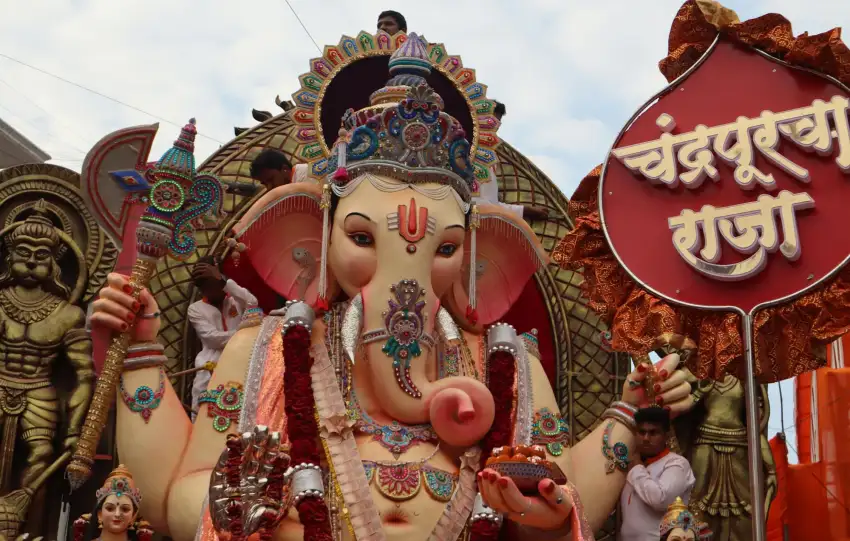
Durga Puja, particularly in eastern India, transforms cities into open-air art galleries with elaborate festival structures and rituals.
Travelers are often welcome to observe, join dances, or attend ceremonies—when done with sensitivity.
Can Travelers Participate in Indian Festivals?
Yes—but participation comes with responsibility.
Most festivals are open and inclusive, but they are not tourist attractions in the conventional sense. The key is observation before participation.
Travelers are welcome to:
Observe rituals quietly
Join public celebrations
Accept invitations from locals
Participate when invited or guided
What matters most is attitude, humility, and awareness.
Festival Etiquette: What Travelers Should Know
Do:
Dress modestly
Ask before photographing people or rituals
Follow local instructions
Observe first, then engage
Learn the meaning behind the celebration
Avoid:
Treating festivals as party events only
Interrupting rituals
Standing in sacred spaces without permission
Using festivals purely for social media content
Respect opens doors. Curiosity with humility is always welcomed.
Where Travelers Can Experience Festivals More Meaningfully
Festivals feel different depending on location.
Small towns and villages offer intimate, authentic experiences
Temple towns focus on ritual and devotion
Big cities showcase scale, art, and diversity
Staying with locals, in homestays or ashrams, often leads to the most genuine festival experiences.
Festivals and Spirituality: A Living Connection
Many Indian festivals are deeply spiritual. They often include:
Puja ceremonies
Chanting and prayers
Offerings and symbolic rituals
Even if you don’t fully understand the symbolism, simply being present can feel grounding and transformative.
Final Thoughts: Experiencing Festivals as a Guest, Not a Spectator
India’s festivals invite you to slow down, observe, and connect. You don’t need to understand everything or participate fully to feel their impact.
Approach them as a guest in someone’s home, not an audience member at a show.
When experienced respectfully, Indian festivals offer something rare in modern travel: shared human joy, devotion, and belonging.