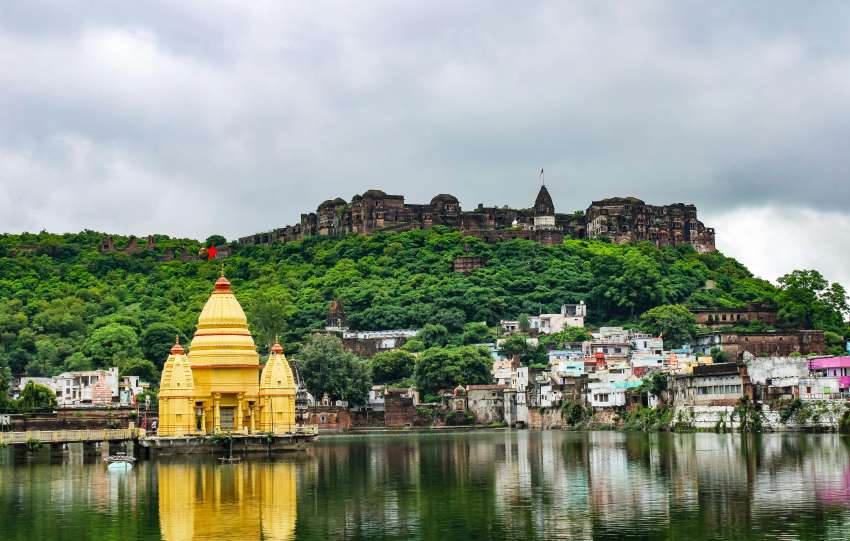
Share This Article
Step back in time with our guide to the top 10 historical places in Madhya Pradesh—from ancient temples to majestic forts and palaces.
Madhya Pradesh—A Timeless Tapestry of History
Madhya Pradesh, the heart of India, is a land where history whispers through ancient stones, crumbling forts, and sacred temples. Known as the “Heart of Incredible India,” this central state is a treasure trove of architectural marvels, cultural legacies, and stories that span millennia.
From the prehistoric rock shelters of Bhimbetka to the medieval grandeur of Gwalior Fort, Madhya Pradesh offers a journey through time, blending the spiritual, the royal, and the artistic.
For history enthusiasts, travelers, and culture seekers, exploring the historical places in Madhya Pradesh is like flipping through the pages of India’s past.
This guide curates the top 10 historical sites, each a testament to the state’s rich heritage shaped by Mauryan emperors, Gupta kings, Rajput warriors, and Mughal rulers.
Spanning ancient caves, fortified citadels, and ornate palaces, these destinations reveal Madhya Pradesh’s soul.
Table of Contents

1. Bhimbetka Rock Shelters: A Window to Prehistoric India
Nestled in the Raisen district, the Bhimbetka Rock Shelters are a UNESCO World Heritage Site that transport visitors to the dawn of human civilization. Discovered in 1957, these 700+ rock shelters date back over 100,000 years, with cave paintings from 30,000 BCE to the medieval period.
- Historical Significance: Bhimbetka offers evidence of continuous human habitation from the Paleolithic to Mesolithic eras. Paintings depict hunting, dancing, and daily life, showcasing early human creativity.
- Highlights: Explore caves like the Zoo Rock, with animal motifs, and Auditorium Cave, a natural rock formation. The vivid red, white, and green pigments, made from minerals, still glow.
- Why You’ll Love It: The raw, untouched connection to prehistoric ancestors feels humbling, like stepping into humanity’s first art gallery.
- Visitor Info: Open 7:00 AM–6:00 PM. Entry: ₹50 (Indians), ₹500 (foreigners). Guided tours (₹300) enhance insights. 45 km from Bhopal; hire a cab or take a bus.
- Pro Tip: Wear sturdy shoes for uneven terrain. Visit in winter (October–March) to avoid heat. Pair with a trip to nearby Bhojpur Temple.
- Location: Raisen, 45 km from Bhopal.
Book your tour via GetYourGuide:

2. Sanchi Stupa: A Beacon of Buddhist Heritage
Perched on a hill in Sanchi, the Sanchi Stupa is a UNESCO World Heritage Site and one of India’s oldest stone structures, commissioned by Emperor Ashoka in the 3rd century BCE. This serene complex embodies Buddhism’s early spread.
- Historical Significance: Built to house Buddha’s relics, the Great Stupa was expanded by later Mauryan and Shunga rulers. Its gateways (toranas) narrate Jataka tales through intricate carvings.
- Highlights: Admire the 16-meter-high Great Stupa, its four ornate gateways, and the Ashoka Pillar. Visit Stupa 3 and the nearby museum for relics and artifacts.
- Why You’ll Love It: The stupa’s serene aura and exquisite carvings offer a spiritual and artistic immersion into Buddhist history.
- Visitor Info: Open 6:30 AM–6:30 PM. Entry: ₹40 (Indians), ₹600 (foreigners). Guides (₹200–500) are available. 46 km from Bhopal; accessible by train or cab.
- Pro Tip: Climb the hill for sunrise views. Wear modest clothing. Combine with a visit to Udayagiri Caves (20 km away).
- Duration: 2–3 hours.
Location: Sanchi, 46 km from Bhopal.
Book your tour via Viator:
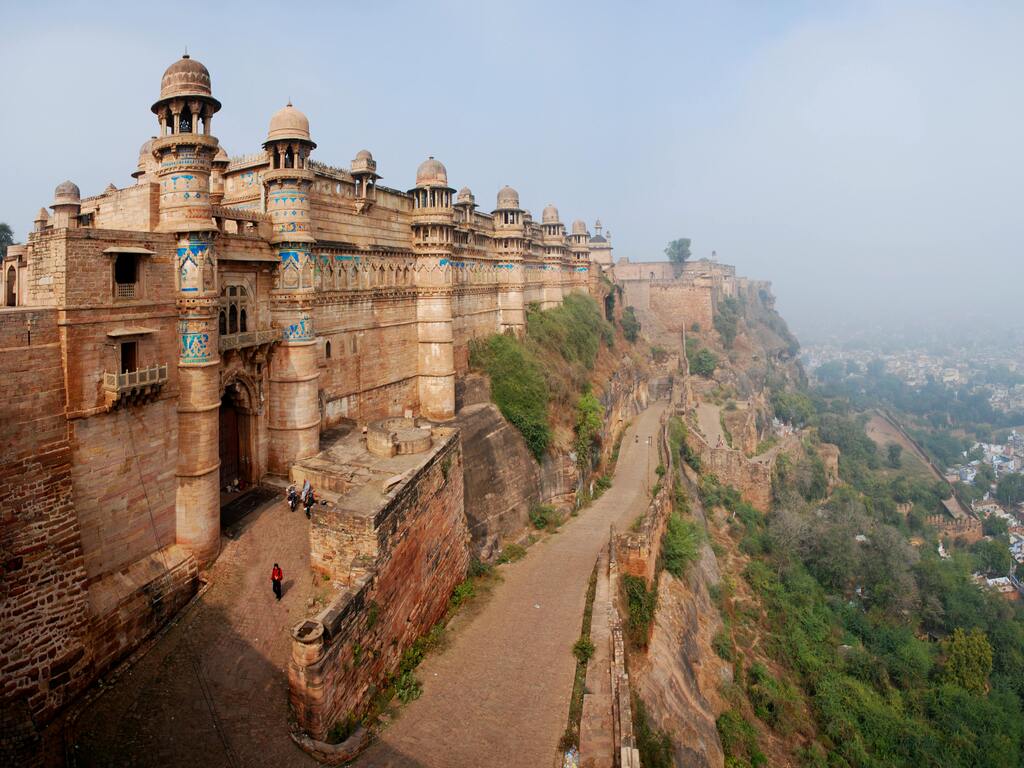
3. Gwalior Fort: The Pearl of Forts
Dominating Gwalior’s skyline, the Gwalior Fort is a majestic 8th-century citadel dubbed the “Gibraltar of India.” Perched on a 100-meter hill, it has witnessed Rajput, Mughal, and Maratha rule.
- Historical Significance: Founded by the Kachchhapaghata dynasty, the fort was later controlled by Tomars, Mughals, and Scindias. It hosted battles, royal courts, and Tansen’s music.
- Highlights: Explore the Man Mandir Palace with its blue-tiled facade, the Gujari Mahal (now a museum), and the Saas-Bahu Temples with intricate carvings. The nightly sound-and-light show narrates its history.
- Why You’ll Love It: The fort’s blend of rugged strength and artistic finesse, plus panoramic city views, feels like stepping into a royal saga.
- Visitor Info: Open 6:00 AM–6:00 PM. Entry: ₹75 (Indians), ₹250 (foreigners). Sound-and-light show: ₹100–300 (7:00 PM). Reachable by auto-rickshaw from Gwalior station.
- Pro Tip: Wear comfy shoes for steep climbs. Visit in evening for cooler weather and the show. Pair with Jai Vilas Palace.
- Duration: 3–4 hours.
Location: Gwalior.
Book your tour via GetYourGuide:
4. Khajuraho Temples: Erotic Art Meets Divine Architecture
The Khajuraho Temples, a UNESCO World Heritage Site in Chhatarpur, are a 10th–11th century masterpiece of the Chandela dynasty. Of the original 85 temples, 25 survive, famed for their erotic and spiritual carvings.
- Historical Significance: Built between 950–1050 CE, these Hindu and Jain temples reflect the Chandela’s artistic peak. They symbolize the balance of earthly desires and divine pursuit.
- Highlights: Visit the Western Group, including Kandariya Mahadev Temple with 900+ sculptures, Lakshmana Temple, and Vishvanath Temple. The light-and-sound show narrates their history.
- Why You’ll Love It: The intricate carvings—erotic, divine, and everyday—blend sensuality with spirituality in a breathtaking display.
- Visitor Info: Open sunrise to sunset. Entry: ₹40 (Indians), ₹600 (foreigners). Show: ₹100–300 (7:00 PM). Khajuraho has an airport; cabs from Jhansi (175 km).
- Pro Tip: Hire a guide (₹500–1000) for deeper insights. Visit early morning for soft light and fewer crowds. Attend the Khajuraho Dance Festival (February).
Location: Khajuraho, Chhatarpur.
Book your tour via GetYourGuide:
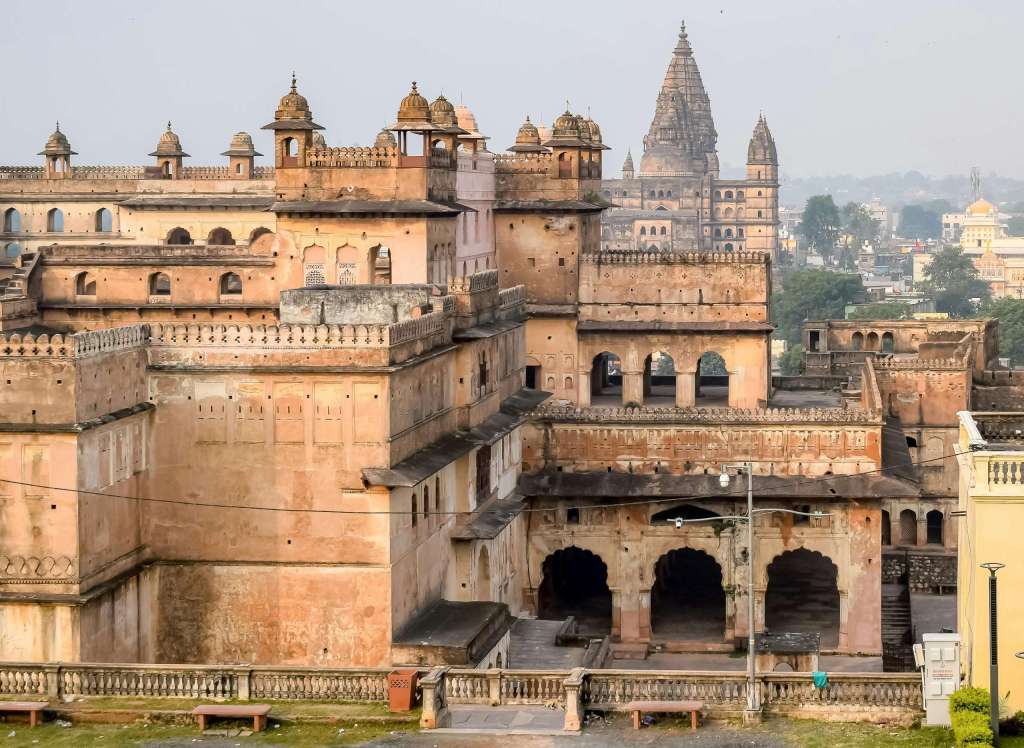
5. Orchha Fort Complex: A Hidden Rajput Gem
Tucked along the Betwa River, the Orchha Fort Complex in Niwari district is a 16th–17th century marvel of the Bundela Rajputs. This riverside complex blends forts, palaces, and temples in a fairy-tale setting.
- Historical Significance: Founded in 1501 by Rudra Pratap Singh, Orchha was a Bundela capital. Its palaces hosted Mughal emperors like Jahangir.
- Highlights: Explore Jahangir Mahal’s turquoise-tiled domes, Raja Mahal’s vibrant murals, and Chaturbhuj Temple’s towering spire. The nearby cenotaphs (chhatris) are stunning at sunset.
- Why You’ll Love It: Orchha’s intimate scale and riverside charm feel like discovering a forgotten kingdom.
- Visitor Info: Open 9:00 AM–5:00 PM. Entry: ₹10 (Indians), ₹250 (foreigners). Guides: ₹200–500. 15 km from Jhansi; cabs or autos available.
- Pro Tip: Stay overnight for sunrise views by the Betwa. Wear modest clothes for temples. Visit in winter for pleasant weather.
Location: Orchha, Niwari.
Book your tour via GetYourGuide:
6. Mandu Fort: The City of Joy
Perched on the Malwa Plateau, Mandu Fort in Dhar district is a 6th–16th century Afghan stronghold known as the “City of Joy.” Spread over 82 km², it’s a romantic blend of forts, palaces, and mosques.
- Historical Significance: Mandu flourished under the Parmars, Delhi Sultans, and Malwa Sultans. It was a retreat for Mughal emperor Jahangir and poet Baz Bahadur.
- Highlights: Visit Jahaz Mahal (Ship Palace) between lakes, Hindola Mahal’s sloping walls, and Baz Bahadur’s Palace with Rani Roopmati’s Pavilion. The Jama Masjid’s red sandstone glows at sunset.
- Why You’ll Love It: Mandu’s poetic ruins and misty landscapes evoke tales of love and conquest.
- Visitor Info: Open 7:00 AM–6:00 PM. Entry: ₹25 (Indians), ₹300 (foreigners). Guides: ₹300–600. 100 km from Indore; hire a cab.
- Pro Tip: Visit during monsoon (July–September) for lush greenery, but carry an umbrella. Cycle rentals (₹100/hour) ease exploration.
- Duration: 4–5 hours.
Location: Mandu, Dhar.
7. Udayagiri Caves: Ancient Jain and Hindu Sanctuaries
Near Vidisha, the Udayagiri Caves are a 5th-century rock-cut complex from the Gupta dynasty, showcasing early Hindu and Jain art.
- Historical Significance: Carved under Chandragupta II, these 20 caves feature some of India’s earliest temple iconography, including Vishnu’s Varaha avatar.
- Highlights: Cave 5’s colossal Varaha sculpture (Vishnu as a boar) and Cave 1’s Jain reliefs are stunning. Inscriptions link the caves to Gupta rulers.
- Why You’ll Love It: The caves’ raw carvings and quiet setting offer an intimate glimpse into ancient Indian spirituality.
- Visitor Info: Open sunrise to sunset. Entry: ₹25 (Indians), ₹300 (foreigners). Guides: ₹200–400. 55 km from Bhopal; cabs or buses available.
- Pro Tip: Combine with Sanchi Stupa (20 km away). Wear sturdy shoes for rocky paths. Visit in morning for cool weather.
- Duration: 1–2 hours.
- Location: Vidisha, 55 km from Bhopal.

8. Jai Vilas Palace: Scindia Splendor
In Gwalior, the Jai Vilas Palace is a 19th-century opulent residence of the Scindia royals, blending European and Indian architecture. Part palace, part museum, it’s a window into Maratha luxury.
- Historical Significance: Built in 1874 by Jayajirao Scindia to welcome the Prince of Wales, it remains a Scindia residence. The museum houses royal artifacts.
- Highlights: Marvel at the Durbar Hall’s gold ceiling and crystal chandeliers, the dining room’s silver train, and the museum’s paintings and weapons.
- Why You’ll Love It: The palace’s lavish interiors and quirky relics, like the silver train, feel like stepping into a royal drama.
- Visitor Info: Open 10:00 AM–5:00 PM. Entry: ₹100 (Indians), ₹600 (foreigners). Guides: ₹200–400. 3 km from Gwalior station; autos available.
- Pro Tip: Photography is restricted indoors; follow rules. Visit with Gwalior Fort for a full day. Winter is ideal.
- Duration: 2–3 hours.
- Location: Gwalior.
Book your tour via GetYourGuide:
9. Chanderi Fort: A Weaver’s Stronghold
In Chanderi, the Chanderi Fort is a 11th–16th century hilltop citadel overlooking a town famed for its sarees. Built by the Malwa Sultans, it later passed to Bundelas and Scindias.
- Historical Significance: A strategic fort, it guarded Chanderi’s trade routes. Its walls saw battles between Rajputs, Mughals, and Marathas.
- Highlights: Explore the Nau Khanda Palace ruins, Kirti Durg’s gates, and the view of Chanderi’s lakes and mosques. Nearby Koshak Mahal is a hidden gem.
- Why You’ll Love It: The fort’s rugged charm and Chanderi’s weaving heritage create a unique blend of history and culture.
- Visitor Info: Open sunrise to sunset. Entry: Free. Guides: ₹200–400. 215 km from Bhopal; cabs or buses from Lalitpur.
- Pro Tip: Visit the weaving centers for Chanderi sarees. Wear comfy shoes for the climb. Combine with Badal Mahal Gateway.
- Duration: 2–3 hours.
- Location: Chanderi, Ashoknagar.
10. Bhojpur Temple: The Unfinished Shiva Shrine
Near Bhopal, the Bhojpur Temple is an 11th-century incomplete Shiva temple built by Raja Bhoj of the Parmar dynasty. Its massive lingam and bold architecture awe visitors.
- Historical Significance: Dedicated to Shiva, the temple reflects Parmar engineering. Its unfinished state adds mystery, possibly due to war or funding issues.
- Highlights: The 7.5-meter lingam, one of India’s largest, and the temple’s soaring pillars. Ancient construction plans etched on rocks fascinate architects.
- Why You’ll Love It: The temple’s raw, unfinished grandeur feels like uncovering a forgotten masterpiece.
- Visitor Info: Open sunrise to sunset. Entry: Free. Guides: ₹100–300. 28 km from Bhopal; cabs or autos available.
- Pro Tip: Visit with Bhimbetka (30 km away). Wear modest clothes. Winter mornings are serene.
- Duration: 1–2 hours.
- Location: Bhojpur, 28 km from Bhopal.
Book your tour via Viator:
Sample 5-Day Itinerary for Historical Madhya Pradesh
Day 1: Bhopal Base
- Morning: Arrive in Bhopal. Visit Bhimbetka Rock Shelters.
- Afternoon: Explore Bhojpur Temple. Lunch at Manohar (Bhopal).
- Evening: Stroll Upper Lake. Dinner at Jeha Numa Palace.
Day 2: Sanchi & Udayagiri
- Morning: Drive to Sanchi Stupa. Breakfast at Sanchi Gateway Café.
- Afternoon: Visit Udayagiri Caves. Lunch at Sanchi Residency.
- Evening: Return to Bhopal. Dinner at Under the Mango Tree.
Day 3: Gwalior
- Morning: Train to Gwalior (3 hours). Visit Gwalior Fort.
- Afternoon: Lunch at Silver Saloon. Explore Jai Vilas Palace.
- Evening: Fort’s sound-and-light show. Dinner at Indian Coffee House.
Day 4: Orchha & Khajuraho
- Morning: Drive to Orchha (3 hours). Visit Orchha Fort Complex.
- Afternoon: Lunch at Betwa Tarang. Drive to Khajuraho (4 hours).
- Evening: Khajuraho light-and-sound show. Dinner at Raja Café.
Day 5: Khajuraho & Mandu
- Morning: Explore Khajuraho Temples. Breakfast at Mediterraneo.
- Afternoon: Drive to Mandu (7 hours, or fly via Indore). Lunch en route.
- Evening: Visit Jahaz Mahal. Dinner at Malwa Resort.
Note: Adjust for Chanderi by adding a day or swapping with Mandu.
Travel Tips for Exploring Madhya Pradesh’s Historical Sites
- Best Time to Visit: October–March (15–25°C). Summers (April–June) are hot (40°C+); monsoons (July–September) are lush but slippery at forts.
- Getting Around: Bhopal, Gwalior, Indore, and Khajuraho have airports. Trains connect major cities (e.g., Bhopal–Gwalior, 3 hours). Hire cabs (₹10–15/km) or use Ola/Uber in cities. Autos for short distances (₹20–50).
- What to Bring: Comfy shoes for forts/caves, light cotton clothes, scarf for temples, sunscreen, water bottle, small bills for vendors.
- Entry Fees: Budget ₹50–100 (Indians), ₹300–600 (foreigners) per site. Guides cost ₹200–1000; book ASI-certified ones.
- Cultural Etiquette: Dress modestly at temples (cover shoulders/knees). Remove shoes at religious sites. Ask before photographing locals.
- Safety: Madhya Pradesh is safe, but stay alert in crowded markets. Secure valuables at forts.
- Accommodation: Stay at heritage hotels like Jeha Numa Palace (Bhopal), Taj Usha Kiran (Gwalior), or Orchha Palace. Budget options: MPTDC hotels (₹1500–3000/night).
- Food: Try local dishes like poha, bhutte ka kees, and dal bafla. Eateries like Manohar (Bhopal) or Raja Café (Khajuraho) are reliable. Carry water for remote sites.
- Connectivity: Airtel/Jio SIMs (₹500 for 30 days) work well. Wi-Fi at hotels; UPI payments common in cities.
Historical Context: Madhya Pradesh’s Legacy
Madhya Pradesh’s historical sites reflect its strategic location in central India, a crossroads of empires and cultures:
- Prehistoric Era: Bhimbetka’s caves show early human life, with tools and art from 100,000 BCE.
- Mauryan-Gupta Period (3rd–5th CE): Ashoka’s Sanchi Stupa and Udayagiri’s Gupta caves mark Buddhist and Hindu growth.
- Medieval Dynasties (8th–13th CE): Parmars (Bhojpur), Chandelas (Khajuraho), and Kachchhapaghatas (Gwalior) built temples and forts.
- Sultanate-Mughal Era (13th–18th CE): Mandu’s Malwa Sultans and Orchha’s Bundelas blended Islamic and Rajput styles.
- Maratha-Colonial Period (18th–19th CE): Scindias (Gwalior, Jai Vilas) and British influences shaped modern Madhya Pradesh.
This layered history makes the state a living museum, where every site tells a chapter of India’s saga.
Final Thoughts: Madhya Pradesh—A Journey Through Time
Madhya Pradesh isn’t just a place—it’s a living archive of India’s past. From Bhimbetka’s ancient art to the royal grace of Jai Vilas, each site tells a story shaped by time and spirit.
Whether it’s the spiritual calm of Sanchi, the romance of Orchha, or the grandeur of Gwalior, these landmarks echo with the footsteps of kings, monks, and artists.
Step into its history, feel its soul, and let the heart of India take you on a timeless adventure.