


Share This Article
Mumbai—Where Chaos Charms and Spirit Shines
Mumbai doesn’t just welcome you—it sweeps you into its whirlwind of life. Formerly Bombay, this coastal metropolis is India’s beating heart, a place where the Arabian Sea hums ancient tales, Bollywood scripts modern dreams, and every street corner pulses with stories.
It’s a city of contrasts: skyscrapers cast shadows over slums, sacred chants blend with honking traffic, and chai-wallahs share pavements with tycoons.
To wander Mumbai is to embrace its chaos and find its soul. It’s not a city you see; it’s a city you feel—raw, vibrant, and unapologetic.
For first-time visitors, Mumbai offers a tapestry of experiences that weave history, spirituality, art, and flavor into a transformative journey. Here are the top 10 things to do in Mumbai, each a thread in the city’s rich mosaic.
Table of Contents

1. Watch the Sunrise at Marine Drive: The Queen’s Necklace
Marine Drive, a 3.6-kilometer crescent along the Arabian Sea, is Mumbai’s crown jewel, nicknamed the “Queen’s Necklace” for its glittering lights at dusk. But it’s at dawn that this promenade reveals its true magic.
Why It’s Special: As the sky blooms with gold and pink, Marine Drive becomes a sanctuary of serenity. Joggers, yoga enthusiasts, and chai-sippers share the seafront with fishermen hauling their morning catch, all against the backdrop of Mumbai’s skyline.
What to Do: Arrive before 6:00 AM with a steaming cup of chai from a roadside vendor. Sit on the stone ledge, breathe in the salty breeze, and watch the city stir awake. For photographers, the golden hour here is a gift.
Nearby: Stroll to Girgaon Chowpatty for a quiet beach morning or a quick bhel puri snack.
Travel Tip: Weekdays are less crowded. Bring a light jacket, as mornings can be breezy.
Marine Drive isn’t just a place—it’s where Mumbai’s soul pauses to reflect, offering you a moment of calm amid its ceaseless rhythm.
2. Visit the Gateway of India: Mumbai’s Grand Welcome
Standing sentinel at Apollo Bunder, the Gateway of India is Mumbai’s iconic welcome mat. Built in 1924 to commemorate the visit of King George V and Queen Mary, this basalt arch blends Indo-Saracenic and colonial styles, symbolizing both empire and independence.
Why Go: Beyond its postcard fame, the Gateway is a living stage where history meets humanity. Pigeons flutter, vendors hawk, and tourists mingle with locals, all framed by the Arabian Sea.
What to Do: Visit early morning to avoid crowds and capture the monument in soft light. Book a ferry to Elephanta Caves (₹200-250 round trip) or sip chai while watching boats bob in the harbor. Nearby, the Taj Mahal Palace Hotel, a 1903 architectural gem, offers a glimpse of Mumbai’s opulence.
Don’t Miss: The Gateway’s intricate latticework and its role in history—India’s last British troops departed through it in 1948.
Travel Tip: Beware of touts offering overpriced tours; stick to licensed ferry operators.
The Gateway isn’t just a monument—it’s Mumbai’s open heart, inviting you to step into its story.
3. Explore the Elephanta Caves: Stone Stories of the Divine
A 45-minute ferry ride from the Gateway of India whisks you to Elephanta Island, home to the UNESCO World Heritage-listed Elephanta Caves. Carved between the 5th and 8th centuries, these rock-cut temples are a testament to ancient India’s artistry and devotion.
Must-See: The 20-foot Trimurti sculpture, a three-headed depiction of Lord Shiva as creator, preserver, and destroyer, is the caves’ spiritual centerpiece. Surrounding panels narrate Shiva’s cosmic tales with breathtaking detail.
Why It’s Special: The caves’ shadowy chambers and intricate carvings evoke a meditative stillness, offering a sacred pause from Mumbai’s frenzy.
How to Reach: Ferries run every 30 minutes from 9:00 AM to 2:00 PM. The uphill walk (120 steps) to the caves is lined with souvenir stalls and playful monkeys—watch your belongings!
Travel Tip: Wear sturdy shoes and carry water. Hire a licensed guide (₹500-1,000) for deeper insights into the mythology.
The Elephanta Caves are more than relics—they’re a portal to Mumbai’s ancient soul, where stone whispers divinity.
4. Experience Spiritual Harmony at Haji Ali Dargah and Siddhivinayak Temple
Mumbai’s spiritual inclusivity shines through its sacred sites, where faith transcends boundaries. The Haji Ali Dargah and Siddhivinayak Temple, distinct in religion yet united in devotion, are must-visits for the soulful traveler.
Haji Ali Dargah, Worli:
- A stunning Indo-Islamic mosque and tomb on an islet, connected by a causeway that vanishes at high tide.
- Highlights include its white marble dome and soulful qawwali performances.
- Visit at sunset for ethereal views, but check tide timings to ensure access.
Siddhivinayak Temple, Prabhadevi:
- Dedicated to Lord Ganesha, the remover of obstacles, this 1801 temple draws devotees seeking blessings.
- Tuesdays are especially sacred, with long queues of worshippers offering modaks (sweet dumplings).
- The temple’s golden dome and vibrant energy are unforgettable.
Travel Tip: Dress modestly (cover shoulders and knees) and remove shoes before entering. Visit early morning to beat crowds and soak in the serenity.
Why It Matters: These shrines reflect Mumbai’s syncretic spirit, where diverse faiths coexist in harmony.
Together, Haji Ali and Siddhivinayak offer a glimpse into the city’s beating spiritual heart.
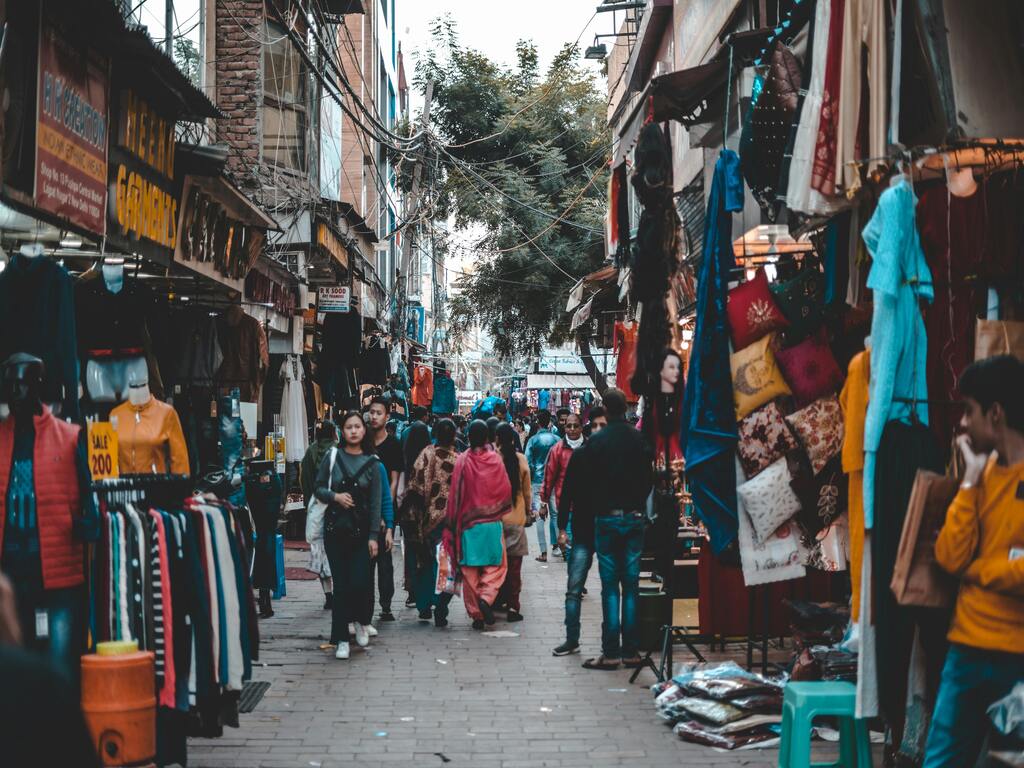
5. Walk the Lanes of Colaba Causeway: Bazaar Meets Bohemia
Colaba Causeway is South Mumbai’s vibrant soul—a bustling street where colonial charm, bohemian vibes, and market chaos collide. It’s a sensory feast of colors, sounds, and scents, perfect for shopping and soaking in the city’s eclectic energy.
What to Buy: Browse stalls for chunky silver jewelry, handwoven bags, pashmina scarves, vintage Bollywood posters, and antique trinkets. Book lovers should visit pavement booksellers for rare finds.
Where to Eat: Stop at Leopold Café, a 150-year-old institution with bullet-scarred walls and old-school charm, for a chilled beer or butter chicken. For retro vibes, try Café Mondegar’s berry pulao and jukebox tunes.
Pro Tip: Bargain with a smile—start at half the quoted price but keep it friendly. Carry cash for small vendors and wear comfortable shoes for the uneven pavements.
Why It’s Special: Colaba is where Mumbai’s past and present dance, blending vintage Bombay with global flair.
Colaba Causeway isn’t just a market—it’s a microcosm of Mumbai’s timeless allure.
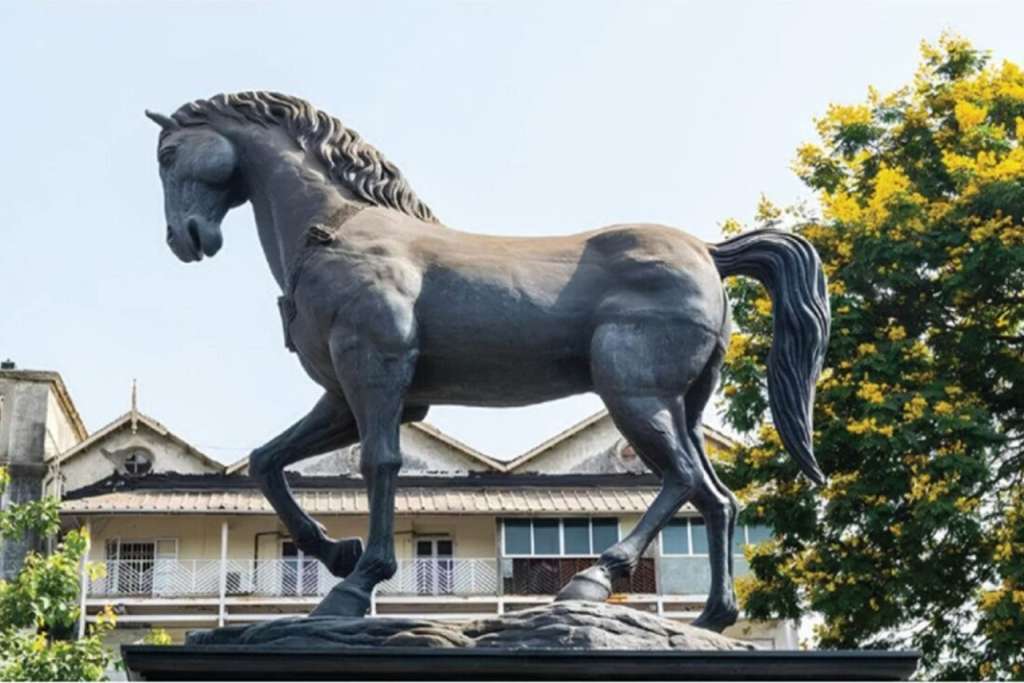
6. Discover Art in Kala Ghoda: Mumbai’s Creative Pulse
Kala Ghoda, named after a long-gone equestrian statue, is Mumbai’s artistic heartbeat. This compact South Mumbai district is a haven for creatives, with galleries, murals, and historic buildings that hum with inspiration.
Must-Visit:
- Jehangir Art Gallery: A showcase for contemporary Indian art, from bold abstracts to poignant portraits.
- Chhatrapati Shivaji Maharaj Vastu Sangrahalaya (CSMVS): A museum with ancient sculptures and Mughal miniatures.
- Street Murals: Vibrant artworks that turn walls into open-air galleries, especially during February’s Kala Ghoda Arts Festival.
Annual Highlight: The Kala Ghoda Arts Festival brings nine days of music, dance, theater, and crafts to the streets. It’s a cultural carnival not to be missed.
Bonus: Visit the David Sassoon Library, a Gothic-Venetian gem with teak staircases and a tranquil garden reading room.
Travel Tip: Pair your visit with seafood at Trishna or North Indian fare at Khyber. Weekdays are quieter for a leisurely stroll.
In Kala Ghoda, Mumbai’s creativity doesn’t whisper—it sings.
7. Relish Street Food at Chowpatty and Mohammad Ali Road
Mumbai’s street food is its love letter to the world—spicy, tangy, and bursting with life. From beachside stalls to neon-lit lanes, the city’s food carts are a culinary pilgrimage.
Chowpatty Beach:
- Try pav bhaji (buttery mashed veggies with bread), bhel puri (puffed rice with tangy chutneys), or kulfi falooda (creamy ice cream with rose syrup and noodles).
- Eat as the sun sets, with waves lapping and families picnicking nearby.
Mohammad Ali Road:
- During Ramadan, this lane becomes a foodie’s paradise with seekh kebabs, nalli nihari (slow-cooked lamb stew), and malpua (sweet pancakes).
- Visit Bademiya or Shalimar for legendary non-veg delights year-round.
Safety Tip: Choose busy stalls with fresh food and long lines—local crowds signal quality. Stick to bottled water and carry tissues for sticky fingers.
Why It Matters: Street food in Mumbai isn’t just sustenance; it’s a celebration of the city’s diversity and joy.
Every bite is a story, every stall a memory.
8. Visit Chhatrapati Shivaji Maharaj Terminus: Where History Meets Hustle
Chhatrapati Shivaji Maharaj Terminus (CSMT), formerly Victoria Terminus, is Mumbai’s architectural crown—a UNESCO World Heritage Site that marries Gothic Revival with Indian craftsmanship. Built in 1888, it’s both a bustling railway hub and a living museum.
Why Go: Its soaring domes, stained-glass windows, and stone carvings of peacocks and tigers are breathtaking. It’s also a cultural icon, featured in Slumdog Millionaire’s climactic scene.
What to Do: Wander the platforms to feel the pulse of Mumbai’s commuters or join a heritage tour to explore hidden corners. The station’s small museum offers historical insights.
Best Time: Visit in the evening when CSMT is lit up like a palace. Avoid peak hours (8:00 AM-10:00 AM, 5:00 PM-7:00 PM) for a calmer experience.
Travel Tip: Look up to admire the vaulted ceilings and gargoyles—details often missed in the rush.
CSMT isn’t just a station—it’s a cathedral of motion, where time and history collide.
9. Dive Into Bollywood: Lights, Camera, Mumbai!
Mumbai is the epicenter of Bollywood, India’s cinematic dreamscape. A brush with this glittering world is a must for any visitor.
Option 1: Film City, Goregaon:
- Book a guided tour (₹1,500-2,000) to explore sprawling sets, studios, and maybe glimpse a shoot. See where blockbusters are born, from song sequences to action scenes.
- Operators like Mumbai Film City Tours offer curated experiences.
Option 2: Gaiety Galaxy, Bandra:
- Catch a Bollywood blockbuster at this iconic single-screen theater. The crowd’s cheers, whistles, and dances during songs are pure magic.
- Arrive early for tickets to new releases (₹100-300).
Bonus: Take a “Bollywood Walk” in Juhu or Bandra to spot stars’ homes or visit Prithvi Theatre for indie plays.
Why It’s Special: Bollywood isn’t just cinema—it’s India’s heartbeat, shaping fashion, music, and dreams.
In Mumbai, stardust is real, and you’re part of the script.
10. End Your Day at Bandra Fort or Carter Road: Sunset Serenity
As the sun dips below the horizon, Mumbai’s western shores offer the perfect spots to reflect on your journey.
Bandra Fort (Castella de Aguada):
- A 17th-century Portuguese watchtower overlooking the Bandra-Worli Sea Link.
- Ideal for golden-hour photography or quiet contemplation as waves crash below.
Carter Road Promenade:
- A lively Bandra stretch buzzing with joggers, couples, and food carts.
- Grab a sandwich at Candies or a gelato at Gusto for a sweet finale.
Why It’s Special: These spots capture Mumbai’s duality—historic roots and modern energy, solitude and community.
Travel Tip: Visit around 6:00 PM for the sunset. Pair with dinner at Pali Village Café for a cozy end to your day.
Let the sea and sky weave a final memory of Mumbai’s magic.
Sample 3-Day Mumbai Itinerary for First-Time Visitors
Day 1: Heritage and Spirituality
- Morning: Sunrise at Marine Drive → Breakfast at Kyani & Co. → Gateway of India and ferry to Elephanta Caves.
- Afternoon: Lunch at Brittania & Co. → Siddhivinayak Temple.
- Evening: Haji Ali Dargah at sunset → Dinner at Trishna.
Day 2: Culture and Shopping
- Morning: Kala Ghoda Art Walk (Jehangir Art Gallery, CSMVS) → Coffee at Kala Ghoda Café.
- Afternoon: Colaba Causeway shopping → Lunch at Leopold Café.
- Evening: Chhatrapati Shivaji Maharaj Terminus lit-up visit → Drinks at Aer rooftop bar.
Day 3: Cinema and Street Food
- Morning: Film City tour or Bollywood walk in Bandra.
- Afternoon: Chowpatty Beach food crawl (pav bhaji, pani puri).
- Evening: Bandra Fort sunset → Carter Road stroll → Dinner at Candies.
Travel Tips for Mumbai Visitors
- Best Time to Visit: October to March (20-30°C, low humidity). Avoid the monsoon (June-September) for easier sightseeing.
- Getting Around: Use local trains for an authentic experience (download M-Indicator app for schedules), the metro for comfort, or Uber/auto-rickshaws for convenience. Expect traffic delays.
- What to Wear: Light cottons for the heat; carry a scarf for temples and mosques. Comfortable shoes are a must for walking.
- Safety: Mumbai is relatively safe, even for solo travelers. Keep valuables secure in crowded areas and avoid isolated spots at night.
- Cash and Cards: Carry small bills for street vendors and rickshaws, as digital payments aren’t universal. ATMs are widely available.
Final Thoughts: Let Mumbai Happen to You
Mumbai doesn’t unfold gently—it crashes into you like a monsoon wave, loud, layered, and alive. It’s the scent of jasmine garlands mingling with sea salt, the rhythm of local trains carrying a million dreams, and the sight of skyscrapers kissing slums.
This city doesn’t just invite you; it engulfs you, daring you to embrace its chaos and find beauty in its contradictions.
From the sacred silence of Elephanta Caves to the spicy tang of vada pav, from Bollywood’s dazzle to the serenity of Marine Drive, Mumbai is a sensory odyssey. It’s not a destination—it’s a feeling, a transformation, a story you’ll carry forever.
So come. Wander her streets. Taste her flavors. Listen to her pulse. Let Mumbai happen to you—soul first.
Frequently Asked Questions About Visiting Mumbai
The best time to visit Mumbai is between November and February, when the weather is cooler and more comfortable for sightseeing. Avoid the monsoon season (June to September) as heavy rains can disrupt travel plans.
3 to 4 days is ideal to explore the top highlights of Mumbai, including the Gateway of India, Colaba, Marine Drive, Dharavi, Bollywood tours, and street food experiences. A shorter visit can still cover major landmarks, but a few extra days allow for deeper exploration.
Mumbai is considered one of the safest cities in India, especially for women and solo travelers. However, it’s always wise to stay alert, avoid isolated areas at night, and use trusted transportation like Uber or local taxis from registered stands.
Mumbai is a street food paradise. Don’t miss:
● Vada Pav (Mumbai’s burger)
● Pani Puri
● Pav Bhaji
● Bhel Puri
● Bombay Sandwich
For the best experience, try these at famous spots like Juhu Beach, Chowpatty, or
local stalls in Colaba.
For short distances, rickshaws (in the suburbs) and taxis (in South Mumbai) are convenient. Use Uber or Ola for more comfort. The Mumbai local train is efficient but crowded—ideal for those wanting an authentic experience. Metro lines are expanding and a good option in certain areas.
Yes!
● Dress modestly in public places, especially when visiting temples or religious sites.
● Remove shoes before entering homes or temples.
● Greet with “Namaste” and respect local customs.
● Avoid public displays of affection.
● Tipping is appreciated (5–10% in restaurants is common).
Top areas include:
● Colaba – Close to tourist attractions, lively markets, and the Gateway of India
● Fort– A heritage-rich area with colonial architecture
● Bandra – Trendy cafés, nightlife, and Bollywood celebrity hotspots
● Juhu – A beachside neighborhood with great hotels and restaurants
Yes! If you’re a movie fan, visiting Bollywood studios is a unique experience. You can book guided tours through agencies like Bollywood Tours, Mumbai Filmcity Tours, or Viator. They often include behind-the-scenes access, live shoots, and even dance performances.
Yes, but choose a responsible tour operator like Reality Tours & Travel, which is run with ethical practices and gives back to the community. These tours focus on the entrepreneurial spirit of Dharavi and offer respectful, informative insights—not poverty tourism.
Great day trips include:
● Elephanta Caves – Ancient rock-cut caves on an island near the Gateway of India
● Lonavala & Khandala – Scenic hill stations just 2 hours away
● Alibaug – Beachside escape accessible by ferry
● Sanjay Gandhi National Park – Nature and caves within city limits
● Matheran – A charming, car-free hill town


