Share This Article
Plan group travel in India with our guide to spiritual sites and eco-friendly treks. Discover top destinations, festivals, logistics, budgeting tips, and authentic experiences for soulful adventures.
The Sacred Joy of Traveling Together
India doesn’t whisper—it sings. From the icy whispers of the Himalayas to the sacred chants floating over the Ganges, it beckons groups bound by friendship, wonder, and a shared thirst for something greater.
Group travel in India transcends mere sightseeing; it’s a transformative journey woven with stories, rituals, laughter, and moments that stitch people together at the soul level.
Whether you’re hiking through snow-dusted monasteries, chanting in unison at a temple aarti, or sharing chai under starlit skies, India offers a canvas for connection, reflection, and awakening.
This ultimate guide is crafted for groups seeking spiritual sites and eco-conscious treks across India. From the vibrant ghats of Varanasi to the serene monasteries of Ladakh, each destination promises more than beauty—it offers shared experiences that deepen bonds and spark personal growth.
With practical tips for logistics, budgeting, and cultural immersion, this guide ensures your group adventure is seamless, sustainable, and soul-stirring.
Table of Contents

Why Group Travel in India Is So Transformative
India’s vastness, diversity, and spiritual depth make it an ideal destination for group exploration. Traveling together eases the complexities of navigating a country as dynamic as India, from its bustling cities to its remote Himalayan trails.
Group travel fosters safety in rugged terrains, enhances the joy of shared rituals, and creates lasting memories over meals, meditations, and mountain vistas.
Whether you’re a group of friends, a family, or a community of spiritual seekers, India’s sacred sites and eco-friendly treks offer a unique blend of adventure, introspection, and camaraderie.
Benefits of Group Travel in India
- Cost Sharing: Split transportation, accommodation, and guide costs to make travel more affordable.
- Cultural Navigation: Learn and respect local customs together, guided by knowledgeable locals or group leaders.
- Access to Group Perks: Benefit from discounts on spiritual retreats, monastery visits, or trekking packages designed for groups.
- Shared Transformation: Bond over spiritual rituals, challenging treks, and immersive cultural experiences that spark collective growth.
- Support and Safety: Travel with companions who provide emotional and physical support in remote or spiritually intense settings.
Top 10 Spiritual Sites and Trekking Destinations for Groups in India
Each destination below is a sacred threshold where nature, spirituality, and community converge.
These places are handpicked for their spiritual significance, eco-friendly ethos, and suitability for group adventures, offering a mix of cultural immersion and outdoor exploration.
1. Rishikesh, Uttarakhand – Gateway to the Divine Ganges
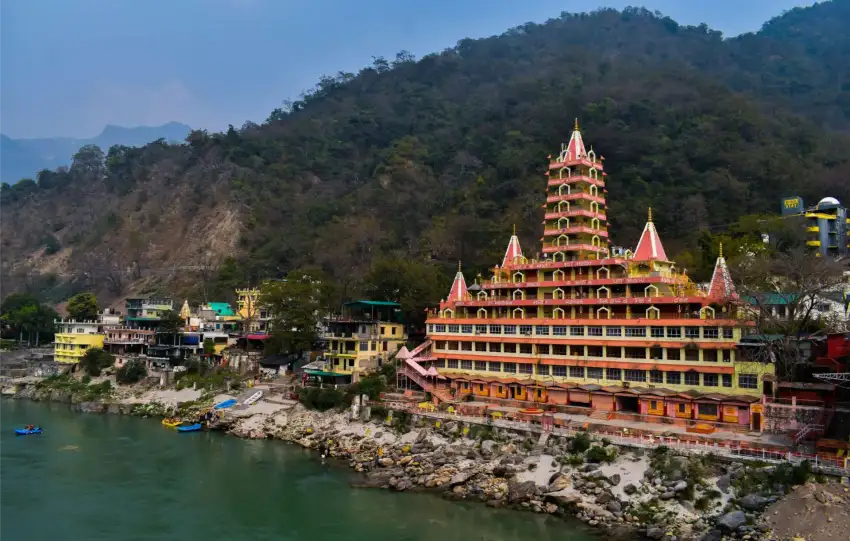
Rishikesh, the yoga capital of the world, pulses with spiritual energy along the banks of the sacred Ganges. Nestled in the Himalayan foothills, this vibrant town blends serenity with adventure, making it perfect for groups seeking both inner peace and thrill.
By day, your group can raft down roaring rapids or trek to nearby waterfalls; by night, join the mesmerizing Ganga Aarti or meditate in ashrams. Rishikesh’s eco-conscious yoga retreats and homestays prioritize sustainability, offering a balance of spiritual depth and group bonding.
Top Experiences:
- Participate in the Ganga Aarti at Triveni Ghat, a soulful group ritual with chants and fire offerings.
- Join group yoga and meditation sessions at renowned ashrams like Parmarth Niketan.
- Trek to Neer Garh Waterfall or Rajaji National Park for a nature-infused adventure.
- Enjoy white-water rafting on the Ganges for a thrilling group activity.
- Stay in eco-friendly homestays with organic meals and renewable energy practices.
Sustainability Tip: Choose ashram stays or eco-lodges that support local communities and avoid single-use plastics near the Ganges.
Why Groups Love It: Rishikesh offers a perfect blend of spiritual immersion, adventure, and eco-conscious living, fostering group unity through shared rituals and outdoor fun.
2. Spiti Valley, Himachal Pradesh – The Cold Desert of Enlightenment
Spiti Valley, a high-altitude desert in the Himalayas, feels like another world with its lunar landscapes, ancient monasteries, and stark beauty. Known as “Little Tibet,” Spiti is ideal for groups seeking solitude and spiritual awakening.
Trek to remote villages like Komic or meditate in 1,000-year-old gompas like Key Monastery. Camping under Spiti’s starlit skies or volunteering in local schools fosters deep group connections. Eco-friendly homestays run by local families ensure your journey supports the region’s fragile ecosystem.
Top Experiences:
- Trek the Spiti Valley Circuit to villages like Langza and Hikkim, bonding over rugged trails.
- Meditate in ancient monasteries like Tabo, a UNESCO World Heritage Site.
- Volunteer at local schools or organic farms for a meaningful group activity.
- Camp under Spiti’s pristine skies for a shared stargazing experience.
- Stay in women-run homestays offering traditional Spitian meals.
Sustainability Tip: Carry reusable water bottles and avoid packaged goods to protect Spiti’s delicate environment.
Why Groups Love It: Spiti’s remoteness and spiritual depth create a profound group experience, strengthened by shared silences and high-altitude adventures.
3. Varanasi, Uttar Pradesh – The Eternal City on the Ganges
Varanasi, India’s spiritual heart, is a sensory whirlwind where life, death, and devotion intertwine along the Ganges’ ghats. Drifting in a boat at sunrise with your group, as chants rise with the mist, is a transformative experience.
Explore labyrinthine alleys, witness the fire-lit Ganga Aarti, or visit weaver colonies to support Banarasi silk artisans. Varanasi’s intensity is best shared with a group, offering moments of reflection and connection amidst its eternal rhythm.
Top Experiences:
- Join a sunrise boat ride to witness Varanasi’s vibrant ghats and rituals as a group.
- Attend the Ganga Aarti at Dashashwamedh Ghat for a collective spiritual experience.
- Explore Sarnath, where Buddha gave his first sermon, for a peaceful group outing.
- Visit handloom cooperatives to learn about Banarasi silk weaving.
- Participate in group meditation or classical music workshops for cultural immersion.
Sustainability Tip: Opt for eco-friendly boat rides and avoid plastic souvenirs, choosing sustainable diyas or scarves instead.
Why Groups Love It: Varanasi’s raw spiritual energy and shared rituals create unforgettable group moments, blending introspection with cultural vibrancy.
4. Dharamshala & McLeod Ganj, Himachal Pradesh – The Tibetan Heartbeat of India
Nestled among cedar forests and snow-capped peaks, Dharamshala and McLeod Ganj are serene havens of Tibetan culture and Buddhist spirituality. Home to the Dalai Lama, this region offers group meditation sessions, teachings by Tibetan monks, and treks to Triund Peak.
Volunteering at refugee centers or sipping butter tea with locals adds depth to your journey. Eco-friendly homestays and retreats make this a sustainable destination for groups seeking mindfulness and connection.
Top Experiences:
- Attend Buddhist teachings or meditation sessions at Namgyal Monastery.
- Trek to Triund Peak for a group adventure with panoramic Himalayan views.
- Volunteer at Tibetan refugee centers for a meaningful group activity.
- Explore the vibrant Tibetan markets for sustainable handicrafts.
- Stay in eco-lodges with organic meals and renewable energy practices.
Sustainability Tip: Respect monastery etiquette and support local Tibetan artisans by purchasing fair-trade products.
Why Groups Love It: Dharamshala’s calm, cultural richness, and trekking opportunities foster group unity through shared learning and exploration.
5. Ladakh, Jammu & Kashmir – Land of High Passes and Higher Wisdom
Ladakh’s barren yet breathtaking landscapes, dotted with ancient monasteries and turquoise lakes, offer a spiritual and adventurous escape for groups. Ride over the world’s highest motorable roads, meditate in gompas like Hemis, or camp by Pangong Lake.
Ladakh’s eco-conscious homestays and sustainable trekking routes ensure a low-impact journey. The region’s vastness and silence create a profound group experience, where shared awe strengthens bonds.
Top Experiences:
- Visit monasteries like Thiksey and Hemis for group meditation and cultural tours.
- Trek the Markha Valley or Chadar Frozen River Trek for a challenging group adventure.
- Camp by Pangong or Tso Moriri Lake for a shared stargazing experience.
- Stay in eco-homestays with solar energy and locally sourced meals.
- Explore Leh’s vibrant markets for sustainable souvenirs like pashmina shawls.
Sustainability Tip: Use shared transport and eco-friendly campsites to minimize your environmental impact.
Why Groups Love It: Ladakh’s stark beauty and spiritual depth create a transformative group journey, amplified by high-altitude adventures and shared silences.
6. Amritsar, Punjab – The Golden Pulse of Faith
Amritsar’s Golden Temple radiates serenity and selfless service, feeding over 100,000 people daily in its community kitchen (langar). This sacred Sikh site is a living testament to compassion and unity, perfect for groups seeking spiritual and cultural immersion. Participate in langar service, explore Sikh history, or witness the emotional Wagah Border Ceremony. Amritsar’s vibrant bazaars and warm hospitality make it a heartwarming group destination.
Top Experiences:
- Volunteer in the Golden Temple’s langar to cook and serve meals as a group.
- Explore the Jallianwala Bagh and Sikh museums for historical insights.
- Attend the Wagah Border Ceremony for a patriotic group experience.
- Stay in eco-friendly guesthouses with Punjabi hospitality and organic meals.
- Shop for sustainable handicrafts like phulkari embroidery in local markets.
Sustainability Tip: Support local vendors and choose accommodations that prioritize waste reduction and community support.
Why Groups Love It: Amritsar’s blend of spirituality, service, and vibrant culture creates a unifying group experience rooted in compassion.
7. Pushkar, Rajasthan – Desert Mysticism and Sacred Fairs
Pushkar’s blue-hued lanes and sacred lake, believed to be created by Lord Brahma, exude desert mysticism. This quirky town is perfect for groups seeking spiritual serenity and cultural vibrancy.
Visit ancient temples, witness firelit aartis, or shop in colorful bazaars. Timing your trip for the Pushkar Camel Fair (November) adds a festive explosion of music, camel parades, and tradition. Eco-friendly homestays and campsites ensure a sustainable group adventure.
Top Experiences:
- Attend evening aartis at Pushkar Lake for a shared spiritual moment.
- Explore the Pushkar Camel Fair for a vibrant group experience with music and crafts.
- Trek to Savitri Temple for panoramic desert views.
- Stay in eco-camps with solar energy and organic Rajasthani meals.
- Shop for sustainable handicrafts like block-printed textiles.
Sustainability Tip: Choose eco-camps and avoid plastic souvenirs to preserve Pushkar’s sacred environment.
Why Groups Love It: Pushkar’s blend of spirituality, festivity, and desert charm creates a joyful group adventure with endless photo opportunities.
8. Sikkim – Himalayan Whispers and Monastic Calm
Sikkim, India’s first fully organic state, is a hidden gem of sustainable tourism and Buddhist spirituality. Nestled in the Eastern Himalayas, it offers groups serene monasteries, lush valleys, and eco-friendly treks.
Visit Rumtek Monastery, trek through rhododendron forests, or explore sacred lakes like Gurudongmar. Sikkim’s plastic-free ethos and community-focused tourism make it a model for eco-conscious group travel.
Top Experiences:
- Visit Rumtek and Pemayangtse monasteries for group meditation and cultural tours.
- Trek the Dzongri or Goechala trails for a Himalayan group adventure.
- Explore organic farms to learn about Sikkim’s sustainable agriculture.
- Stay in eco-homestays with zero-waste kitchens and local meals.
- Celebrate Losar (Tibetan New Year) with local communities for a festive group experience.
Sustainability Tip: Respect sacred sites by following local customs and using reusable items to maintain Sikkim’s eco-friendly ethos.
Why Groups Love It: Sikkim’s serene landscapes and sustainable practices create a peaceful, unifying group journey.
9. Hampi, Karnataka – Ruins Where Gods Still Whisper
Hampi’s boulder-strewn landscape and ancient ruins, a UNESCO World Heritage Site, feel like a portal to another era. Once the capital of the Vijayanagara Empire, Hampi is alive with myths and spirituality. Groups can cycle through temple ruins, meditate by the Tungabhadra River, or climb to sunrise viewpoints. Eco-lodges made of mud and thatch offer a sustainable base for this adventurous and spiritual group journey.
Top Experiences:
- Cycle through Hampi’s ruins, including Virupaksha and Vittala Temples, as a group.
- Meditate or practice yoga by the Tungabhadra River for a serene group experience.
- Climb Matanga Hill for a sunrise group ritual with panoramic views.
- Stay in eco-lodges with sustainable materials and organic meals.
- Attend open-air classical dance performances under Hampi’s starry skies.
Sustainability Tip: Use bicycles instead of motor vehicles to preserve Hampi’s fragile ecosystem.
Why Groups Love It: Hampi’s blend of history, adventure, and spirituality sparks group connection through shared exploration and storytelling.
10. Tawang, Arunachal Pradesh – Edge of India, Heart of Compassion
Tawang, perched in Arunachal Pradesh’s snow-clad Himalayas, feels like the edge of the world and the heart of Buddhist compassion. Its colossal Tawang Monastery, India’s largest, resonates with prayer wheels and monk chants. Trek to hidden valleys, visit sacred lakes like Sela Pass, or engage with local Monpa communities.
Tawang’s remoteness and spiritual depth make it a rewarding group destination for those seeking adventure and enlightenment.
Top Experiences:
- Explore Tawang Monastery for group meditation and cultural tours.
- Trek to Madhuri Lake or Gorichen Peak for a Himalayan group adventure.
- Engage with Monpa communities to learn about their traditions.
- Stay in eco-homestays with locally sourced meals and renewable energy.
- Attend the Torgya Festival for a vibrant group experience with monastic dances.
Sustainability Tip: Respect local customs and carry reusable items to preserve Tawang’s pristine environment.
Why Groups Love It: Tawang’s raw beauty and spiritual serenity create a profound group journey, strengthened by shared exploration of India’s far northeast.
Planning Your Group Adventure: Logistics and Budgeting
Logistics for Group Travel
- Group Size: Aim for 6–12 people for manageable coordination and meaningful bonding. Larger groups may require professional tour operators.
- Transportation: Use shared transport like private vans, trains, or buses to reduce costs and carbon footprint. Book train tickets via IRCTC for long distances.
- Accommodation: Opt for group-friendly eco-homestays, ashrams, or campsites with shared dining areas to foster connection.
- Guides and Operators: Hire local guides or eco-conscious tour operators like Responsible Tourism India for cultural insights and seamless planning.
- Permits: Secure permits for restricted areas like Arunachal Pradesh or Ladakh well in advance, especially for larger groups.
Budgeting Tips
- Split Costs: Share expenses for transport, guides, and accommodations to keep costs low (e.g., ₹2,000–5,000 per person/day for budget travel).
- Group Discounts: Negotiate discounts for group bookings at ashrams, retreats, or trekking packages.
- Meals: Opt for community kitchens (e.g., Golden Temple’s langar) or homestays with included meals to save on dining.
- Off-Season Travel: Visit during shoulder seasons (spring or autumn) for lower costs and fewer crowds.
- Sustainable Choices: Choose budget-friendly eco-lodges or homestays over luxury hotels to align with sustainable travel goals.
Sample Budget Breakdown (Per Person, 10-Day Trip)
- Transport: ₹5,000–10,000 (trains, shared vans)
- Accommodation: ₹7,000–15,000 (eco-homestays, ashrams)
- Food: ₹3,000–6,000 (local meals, community kitchens)
- Activities: ₹4,000–8,000 (treks, guides, workshops)
- Permits/Miscellaneous: ₹2,000–4,000
- Total: ₹21,000–43,000 (approx. $250–$500 USD)
Festivals to Plan Your Group Trip Around
India’s spiritual festivals are vibrant celebrations of faith, community, and culture, offering groups immersive experiences. Plan your trip around these events for a deeper connection:
- Kumbh Mela (Rotates: Allahabad, Haridwar, Nashik, Ujjain): Held every 12 years (next in 2027), this massive pilgrimage features group rituals and spiritual gatherings by sacred rivers.
- Hemis Festival (Ladakh, June): Celebrate Tibetan Buddhist culture with mask dances and monastic rituals in a mountain setting.
- Pushkar Camel Fair (Rajasthan, November): A vibrant desert festival with camel parades, folk music, and spiritual aartis by Pushkar Lake.
- Hornbill Festival (Nagaland, December): Showcase Naga tribes’ traditions with craft markets, music, and organic feasts.
- Thrissur Pooram (Kerala, April/May): A grand temple festival with elephants, fireworks, and orchestras, perfect for group cultural immersion.
Sample 10-Day Group Itinerary: North India Spiritual and Trekking Adventure
Day 1–2: Rishikesh, Uttarakhand
- Attend the Ganga Aarti and join a group yoga session at Parmarth Niketan.
- Trek to Neer Garh Waterfall and enjoy white-water rafting.
- Stay in an eco-friendly ashram with organic meals.
Day 3–5: Dharamshala & McLeod Ganj, Himachal Pradesh
- Visit Namgyal Monastery for group meditation and Buddhist teachings.
- Trek to Triund Peak for a shared Himalayan adventure.
- Volunteer at a Tibetan refugee center and stay in an eco-homestay.
Day 6–8: Amritsar, Punjab
- Volunteer in the Golden Temple’s langar and explore Sikh history.
- Attend the Wagah Border Ceremony for a patriotic group experience.
- Stay in a sustainable guesthouse with Punjabi hospitality.
Day 9–10: Pushkar, Rajasthan
- Attend evening aartis at Pushkar Lake and explore vibrant bazaars.
- Trek to Savitri Temple for desert views and stay in an eco-camp.
- Depart from Ajmer or Jaipur, reflecting on your shared journey.
Practical Tips for Spiritual and Trekking Groups
- Book in Advance: Reserve ashram stays, trekking permits, and festival tickets early, especially for popular destinations like Rishikesh or Ladakh.
- Hire Local Guides: Engage knowledgeable guides for spiritual sites and treks to ensure cultural sensitivity and safety.
- Pack Smart: Include scarves for temple visits, sturdy trekking shoes, reusable water bottles, and eco-friendly toiletries.
- Embrace Flexibility: India’s spiritual and natural rhythms may require adjusting plans—stay open to unexpected detours.
- Respect Local Customs: Dress modestly (cover shoulders and knees), ask permission before photographing rituals, and follow monastery etiquette.
- Stay Connected: Use group chats or apps like WhatsApp for coordination, but embrace offline moments for deeper connection.
- Health Precautions: Carry first-aid kits, altitude sickness medication for Himalayan treks, and stay hydrated with filtered water.
- Sustainable Practices: Choose eco-friendly accommodations, avoid single-use plastics, and support fair-trade artisans.
Sustainable Travel Resources and Communities
- Responsible Tourism India: Offers eco-friendly tours, homestays, and community-based experiences. Website: responsibletourismindia.com
- Himalayan Ecotourism: Specializes in sustainable treks and cultural tours in the Himalayas. Website: himalayanecotourism.com
- EcoTourism Society of India: Provides guidelines for low-impact travel and eco-certified accommodations. Website: ecotourism.org.in
- Dastkar and SEWA: Support fair-trade handicrafts and women artisans for sustainable souvenirs. Websites: dastkar.org and sewa.org
- X Platform: Browse real-time tips from eco-travelers and spiritual seekers sharing itineraries and insights. Website: x.com
Final Thoughts: Sacred Togetherness
India is not a place you merely visit—it’s a place you feel, deeply and collectively. Group travel here unlocks a unique magic: shared silences in monasteries, spontaneous dances at festivals, laughter over roadside chai, and tears shed under temple bells. Whether you’re trekking through Himalayan passes or chanting by the Ganges, the journey binds you not just to India’s sacred landscapes but to each other.
Let India carry your group—not as a crowd, but as a circle of pilgrims and companions on a deeper, brighter path. Embrace the chaos, the calm, and the connections that make group travel in India an unforgettable odyssey of the soul.
Frequently Asked Questions About Group Travel in India
India offers a unique blend of ancient spiritual heritage and diverse trekking routes through the Himalayas, Western Ghats, and more. Group travel enhances the experience by offering shared insights, safety in remote areas, and logistical ease, especially for spiritual journeys and high-altitude treks.
Must-visit spiritual destinations for groups include Varanasi, Rishikesh, Bodh Gaya, Amritsar, Tirupati, Puri, and Haridwar. These cities offer rich cultural experiences, group-friendly accommodations, and deep-rooted spiritual traditions.
Popular group-friendly treks include the Valley of Flowers (Uttarakhand), Triund (Himachal Pradesh), Chadar Trek (Ladakh), Kedarkantha Trek, and Dzongri-Goechala Trek (Sikkim). These treks are well-supported with guides and infrastructure suitable for groups.
The best time is from October to April for most spiritual cities and treks. Avoid the monsoon season (June–September) for trekking. Summer months (May–June) are ideal for high-altitude Himalayan treks.
It’s best to use reputable group tour operators or custom trip planners for transportation, accommodation, and permits. Booking trains, charter buses, or private vehicles in advance is key, especially for remote spiritual or trekking sites.
Yes! Treks like the Kedarnath, Amarnath Yatra, Hemkund Sahib, and Vaishno Devi combine physical adventure with deeply spiritual experiences, perfect for group pilgrimages or spiritually inclined hikers.
Options range from ashrams and budget guesthouses to mid-range hotels and eco-lodges. Many trekking regions also offer campsites, tea houses, or group homestays with basic amenities and local hospitality.
Yes, India is generally safe for group travelers, especially when using licensed guides and tour operators. It’s important to respect local customs, follow health precautions, and travel with a plan, particularly in remote or high-altitude areas.
Pack comfortable clothing, modest attire for temples, trekking shoes, warm layers, first aid kit, reusable water bottles, headlamp, and personal hygiene items. For treks, a backpack, sleeping bag (if camping), and trekking poles are recommended.
Yes, several tour operators offer combined itineraries such as Rishikesh + Valley of Flowers, Amritsar + Himachal treks, or Sikkim monasteries + Dzongri Trek. These packages cater to both the spiritual and adventurous sides of group travelers.